


The Art of Styling Solid Wood Furniture: Creating a Warm and Natural Home
Solid wood furniture brings warmth, character, and timeless beauty to any space. Whether you're drawn to modern minimalism or cozy Scandinavian vibes, styling wood pieces is all about balance—letting the natural grain shine while creating a cohesive, inviting atmosphere.
Here's how to make the most of your solid wood furniture, no matter your design style.
Start with a Neutral Foundation
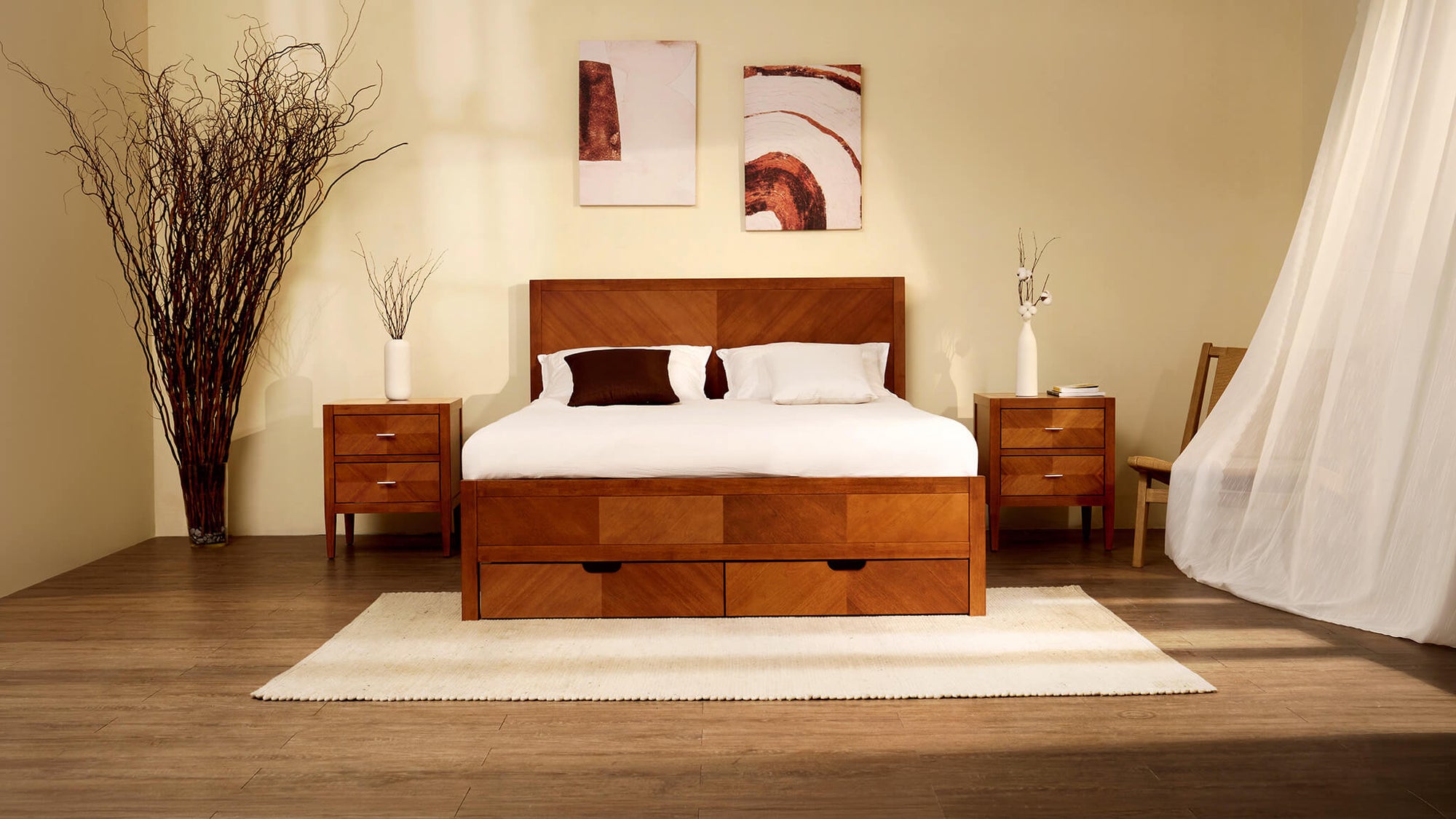
Solid wood works best when it's not competing for attention. Keep walls, floors, and large surfaces neutral—think soft whites, warm grays, or earthy beiges. This creates a calm backdrop that lets the wood's natural texture take center stage.
If your furniture has rich, dark tones, lighter walls will prevent the room from feeling heavy. For lighter wood pieces, you can go a bit bolder with wall color while still keeping things grounded.

Layer in Soft Textures
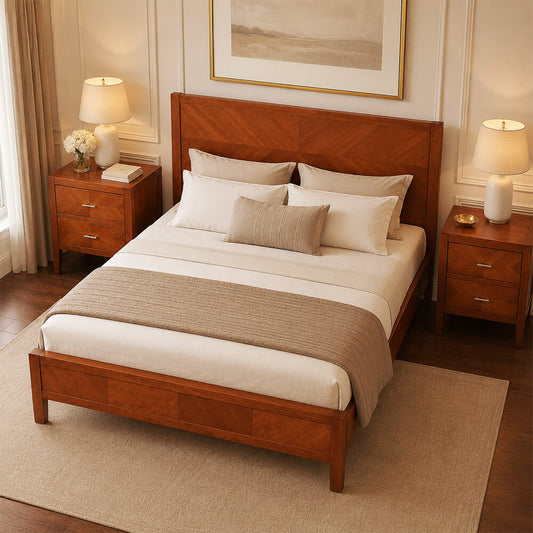
Wood on its own can feel a little stark. Balance its hardness with soft, tactile materials—linen bedding, wool throws, cotton rugs, or velvet cushions. These layers add comfort and visual warmth without overwhelming the space.
Stick to natural fibers when possible. They complement wood beautifully and reinforce that organic, lived-in feel.
Keep It Simple (Especially in Small Spaces)
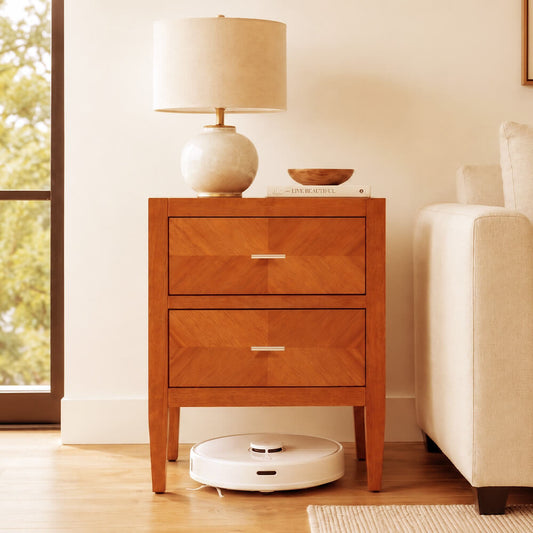
Solid wood furniture has presence, so you don't need much else. In smaller rooms, choose a few key pieces—a bed frame, a dresser, a nightstand—and let them breathe. Avoid clutter and over-decorating.
Clean lines and minimal accessories help the room feel open and intentional, not cramped.
Mix Wood Tones Thoughtfully
You don't have to match every piece perfectly, but aim for harmony. If your bed frame is a warm walnut, pair it with a nightstand in a similar tone or a complementary lighter wood. Avoid mixing more than two or three different wood finishes in one room.
When in doubt, vary the shade slightly rather than the species—it's an easy way to add depth without visual chaos.
Add Greenery
Plants are a natural partner for wood furniture. A simple potted fern, a trailing pothos, or a sculptural fiddle leaf fig brings life and color into the space without disrupting the calm, organic aesthetic.
Even a single plant on a dresser or nightstand can make the room feel more complete.
Let Light Play a Role
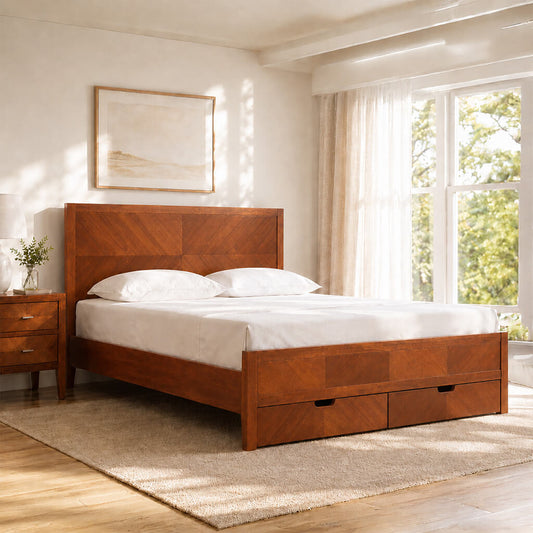
Natural light enhances wood's grain and color. Position furniture near windows when possible, and use sheer curtains to diffuse harsh sunlight. In the evening, warm-toned lighting—table lamps, pendant lights, or dimmable overhead fixtures—keeps the space cozy.
Avoid cool, fluorescent lighting. It can make wood look flat and uninviting.

Choose Decor That Doesn't Compete
When it comes to accessories, less is more. A ceramic vase, a woven basket, a framed print in muted tones—these small touches add personality without stealing focus from the furniture.
Stick to a limited color palette and natural materials. The goal is to support the wood, not overshadow it.

Final Thoughts
Styling solid wood furniture isn't about following strict rules—it's about creating a space that feels balanced, warm, and authentically yours. Start with a neutral base, layer in soft textures, and keep things simple. The wood will do the rest.
Whether you're furnishing a bedroom, living room, or nursery, solid wood pieces are an investment in quality and longevity. Style them with care, and they'll anchor your home for years to come.